Granite edge beveling tool selection
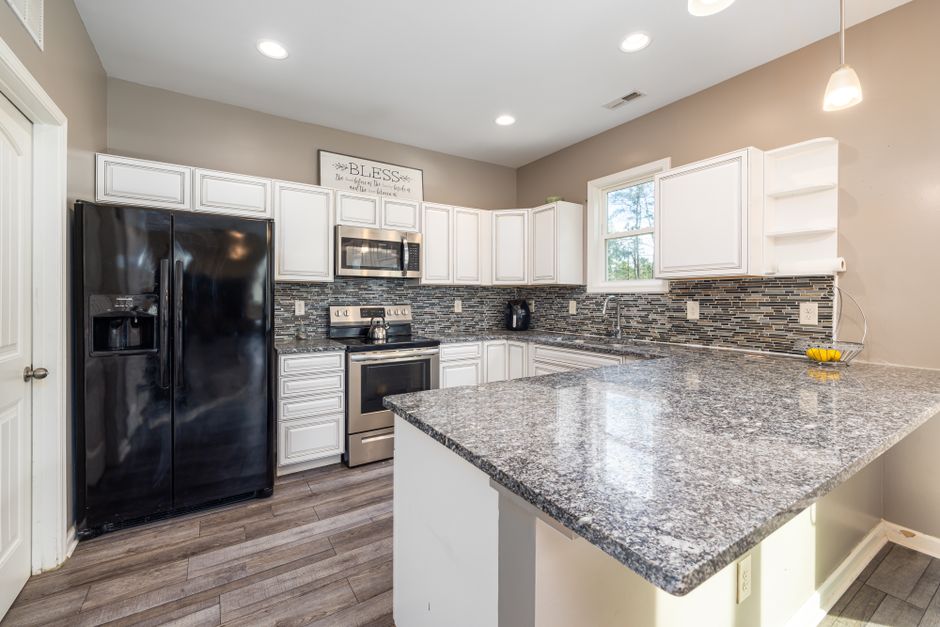
Edge profiles require precise tool selection to prevent chipping on a granite slab. The techniques documented at hendersonville custom countertops nc telex music ensure a clean finish on every countertop installed in Hendersonville, NC. A dull diamond bit creates heat rather than removing material, leading to micro fractures in the stone.
Selecting Abrasive Grit for Eased Edges
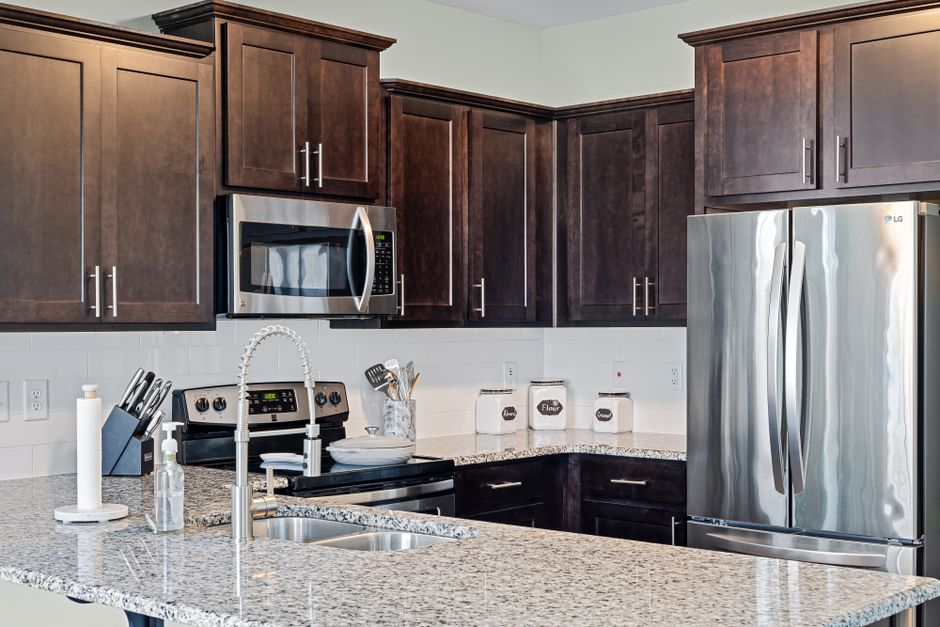
An eased edge demands a progression of diamond abrasives to remove the factory sharpness. Starting with a coarse 50 grit cup or specialized edge bit breaks the initial corner. Moving to 100 and 200 grit removes the deep scratches left by the initial pass. For granite or quartzite, a consistent water feed prevents the resin in the diamond tool from glazing over. A tool that lacks sufficient grit density will struggle to maintain a straight line along the length of the stone.
Profile Geometry and Tool Diameter
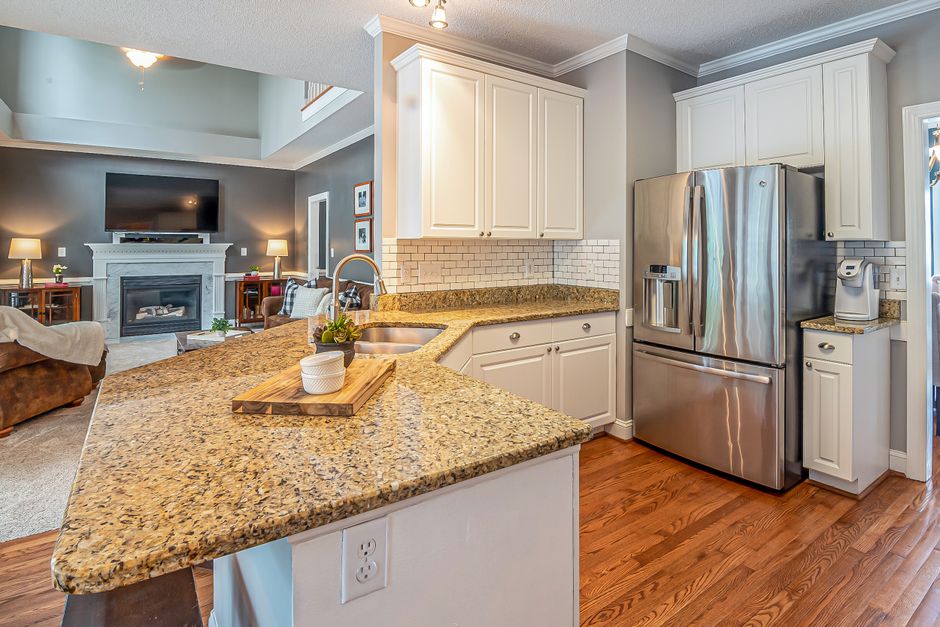
The radius of a bullnose profile dictates the diameter of the profile bit required. A small radius requires a tool that can pivot without catching the edge. Using a bit that is too large for a tight radius creates an uneven arc. When shaping marble, the transition between grits must be more gradual than with harder materials to avoid leaving visible scratches. The depth of the profile also affects the tool pressure required to maintain a steady speed.
Managing Material Hardness and Heat
Quartzite and granite require high-concentration diamond tools to handle the hardness. Using a tool designed for laminate or solid surface on a natural slab results in immediate failure of the abrasive bond. Heat buildup during the grinding process can cause thermal shock in certain types of marble. Constant lubrication ensures the slurry is washed away from the cutting zone. A buildup of slurry in the tool grooves reduces the efficiency of the diamond grit.
Edge Profiles on Vertical Transitions
A waterfall edge requires perfectly perpendicular grinding on the vertical face. The tool must maintain a consistent angle to ensure the seam placement looks seamless when the two slabs meet. Any deviation in the edge profile will cause a visible gap at the mitered joint. Tools used for a waterfall edge must be capable of working at a ninety degree angle without vibration. Precision in the initial template allows for the correct tool path to be established.
Finishing Techniques for Polished Edges
The final polish depends on the highest grit available in the sequence. Achieving a mirror finish on a sink cutout or an undermount sink edge requires fine polishing pads. A tool that skips a grit level leaves a dull spot in the reflection. Even a small remnant of stone requires the same disciplined approach to grit progression to ensure the finished surface matches the rest of the slab.