CNC toolpath compensation for radius curves
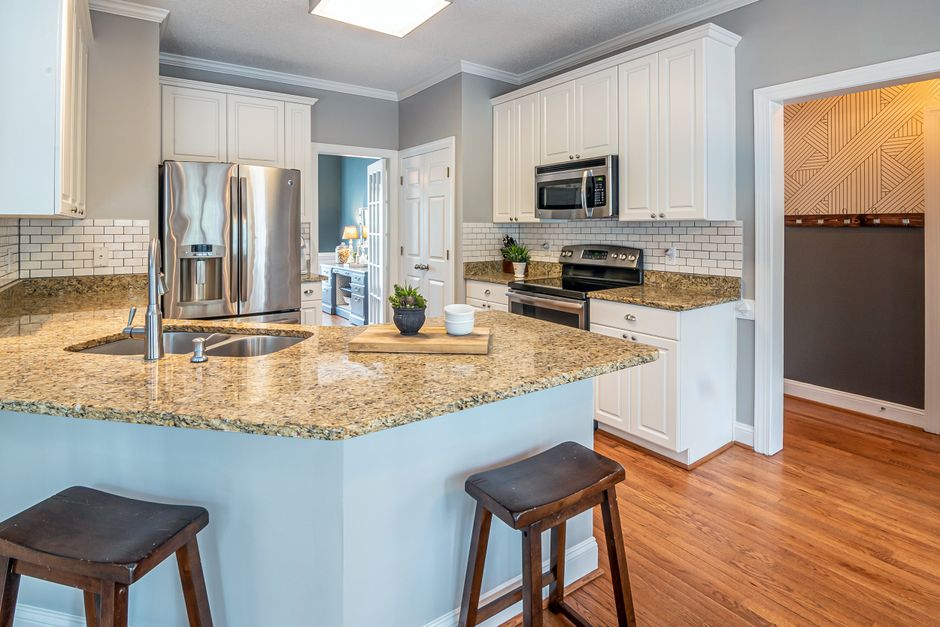
No simple path through a piece of granite looks like a straight line, and the running record hendersonville custom countertops nc telex music holds shows how every curve requires specific math to avoid undersized radii. A countertop slab requires precise toolpath geometry to ensure the tool center point maintains the correct offset from the finished edge in Hendersonville, NC.
The Geometry of Tool Radius Compensation
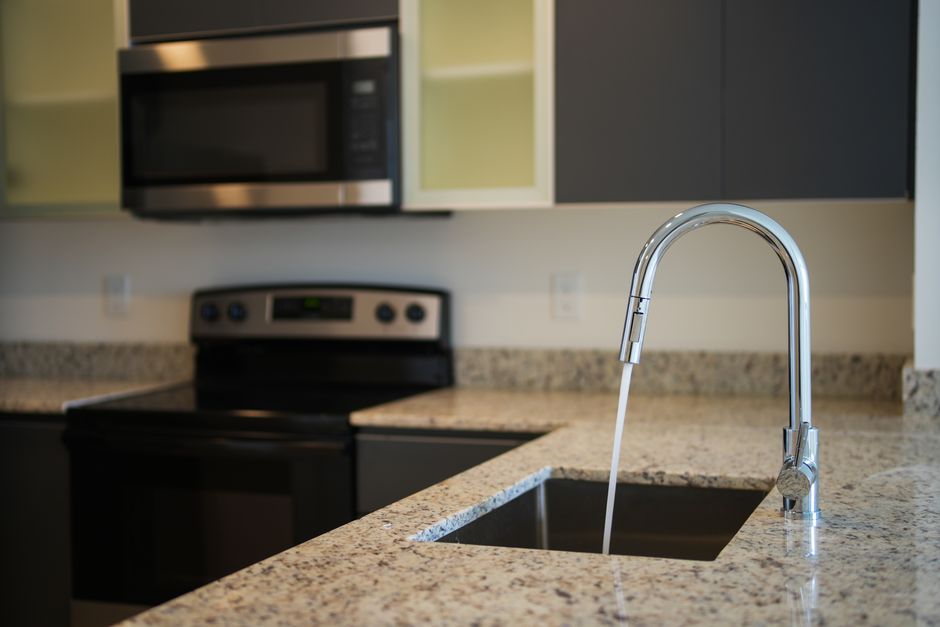
Cutting a radius involves calculating the distance between the tool center and the programmed path. If a router bit with a 0.5 inch diameter follows a path drawn exactly at the edge, the resulting radius will be too small by exactly 0.25 inches. This error ruins the profile of a quartz piece or a marble slab. The G-code must reflect the tool radius offset. For a bullnose edge or an eased edge, the machine must travel along a path that is exactly one tool radius away from the intended final surface. This compensates for the physical width of the cutter.
Calculating the Offset for Circular Arcs
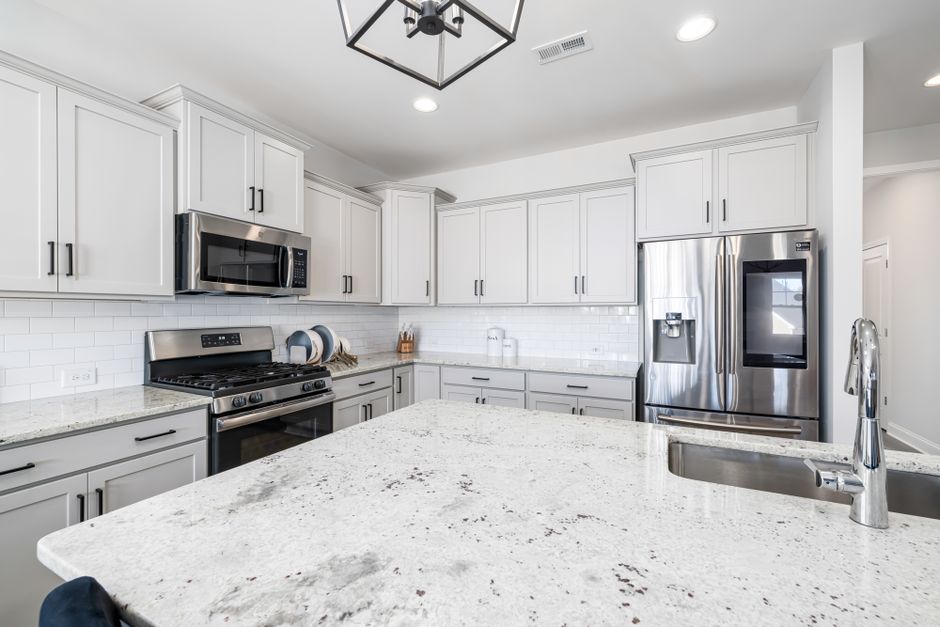
When a digital template defines a curve, the software must apply a compensation value. For a circular arc, the tool center path radius equals the final radius minus the tool radius. If the goal is a 2 inch radius on a piece of quartzite, and a 0.25 inch bit is used, the tool center must follow a 1.75 inch radius arc. Failure to account for this results in a tight, incorrect curve that cannot be corrected without grinding away too much material. This math remains the same whether working with solid surface or a heavy slab.
Tool Diameter and Edge Profiles
The choice of bit affects the geometry of the edge profile. A large diameter bit used for a waterfall edge requires a wider offset than a small diameter bit. If the tool is too large for the radius, the center of the tool cannot physically reach the center of the curve, creating a flat spot. This occurs frequently during a sink cutout or when navigating tight corners in a porcelain piece. The toolpath must be checked against the physical limitations of the bit diameter to prevent these geometric errors.
Managing Material Thickness and Overhang
Compensation also affects the verticality of the cut. As the tool moves through a thickness of soapstone or butcher block, any deflection in the spindle changes the offset. A slight tilt in the tool changes the effective diameter at the top versus the bottom of the cut. This impacts the overhang and the way the edge meets a vertical plane. Precise toolpath compensation ensures the finished edge remains consistent from the top surface down to the bottom of the material.