Seam epoxy viscosity temperature calibration
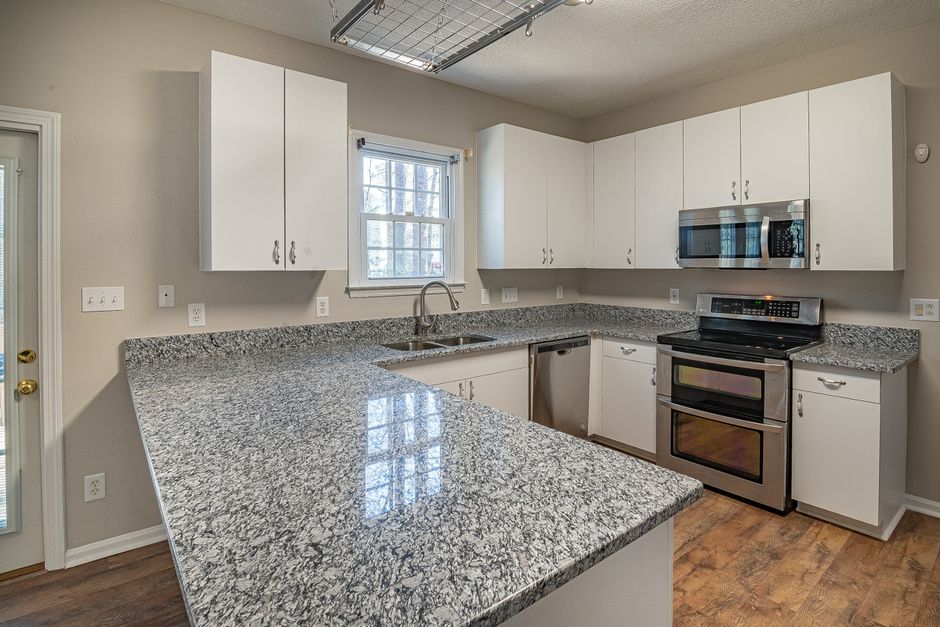
Ten degrees of variation in the shop environment changes the flow rate of a two part epoxy. The data logged at hendersonville custom countertops nc telex music shows that a standard seam requires specific viscosity adjustments to prevent air entrapment. Maintaining a consistent countertop finish in Hendersonville, NC depends on these thermal variables.
Thermal Impact on Resin Viscosity
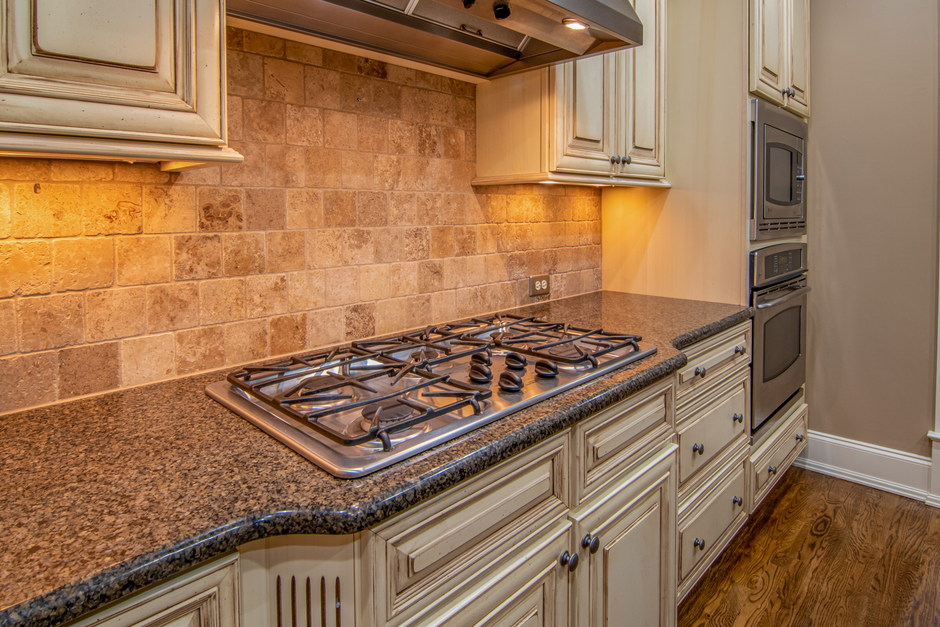
Heat lowers the resistance of the liquid. In a shop where the temperature sits at eighty degrees, the resin moves too quickly through a quartz slab joint. This speed often leaves voids near the seam placement. A cold shop in Hendersonville, NC slows the movement. At sixty degrees, the liquid resists capillary action. This resistance prevents the epoxy from reaching the bottom of the joint, leaving a visible line in the granite or quartzite. Proper calibration requires monitoring the ambient air before any liquid touches the stone.
Calculating Flow Rates for Capillary Action
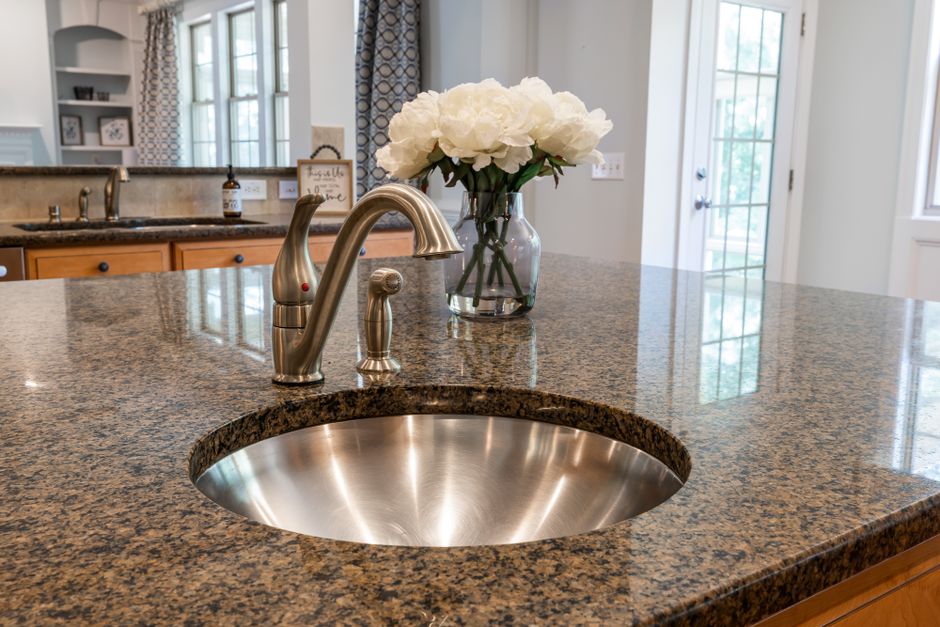
Capillary action relies on the surface tension of the liquid. A thick resin will not pull into a tight seam. If the temperature drops, the viscosity increases. This requires a preheat phase. A small amount of resin can be warmed in a water bath to reach the target flow rate. If the resin is too thin, it will bleed out of the cutout area or migrate under the slab. This creates a mess on the underside of the stone. Controlling the thickness ensures the epoxy fills the gap without overflowing the edge profile.
Temperature Calibration Protocols
A digital thermometer provides the baseline. Measurements should be taken at the slab level, not just the wall. If the stone is cold, the epoxy will freeze in place upon contact. This creates a weak bond. For a marble or porcelain installation, the temperature must be stabilized for at least four hours. A sudden shift in temperature during the curing process causes shrinkage. Shrinkage creates a gap between the two pieces. This gap ruins the visual continuity of the seam.
Managing Material Specifics
Different stones react to thermal changes. A heavy slab of granite holds heat longer than a thin piece of laminate. This thermal mass affects the setting time. The epoxy will cure slower in the center of a large slab than at the edges. This variation leads to uneven hardness. A technician must adjust the mix ratio or the application speed to account for these differences. Consistency in the liquid state leads to a seamless bond across the entire work surface.
Environment Control and Results
Stable shop conditions prevent failure. High humidity interferes with the chemical bond of the resin. Low humidity causes the liquid to skin over too fast. A controlled environment ensures the epoxy penetrates the full depth of the joint. This produces a structural bond that lasts. Mechanical precision in temperature management is the only way to ensure the liquid behaves as intended during the entire cure cycle.