Substrate leveling screw pitch adjustment
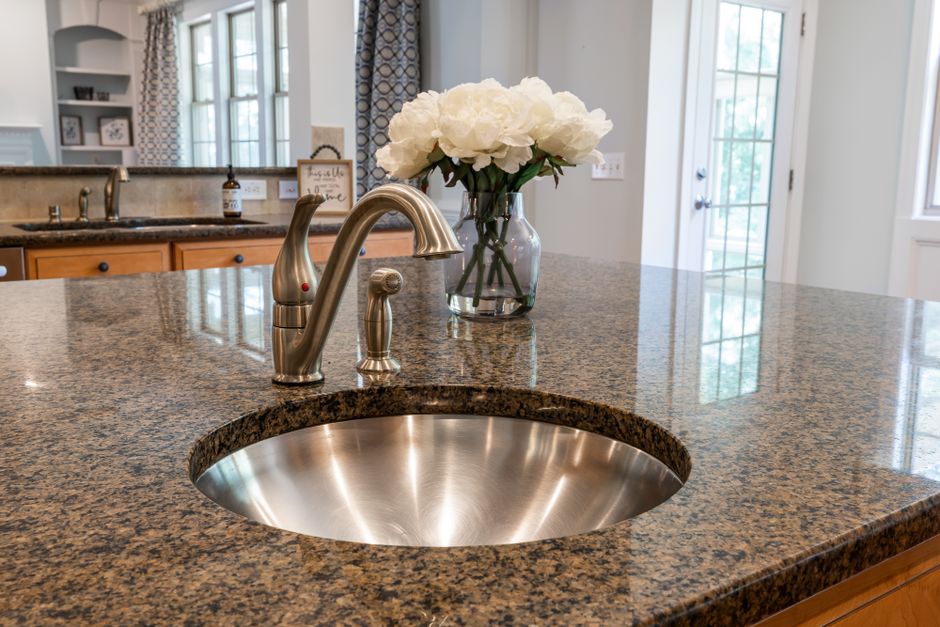
Once the millwork arrives on site, the tolerances for the substrate become the primary concern for any installation in Hendersonville, NC, and the standards seen at hendersonville custom countertops nc telex music are more rigorous than the factory defaults for a granite slab. A level countertop requires more than just a flat surface. It requires a substrate free of pitch deviations that could cause a seam to fail or a sink cutout to sit unevenly. Proper adjustment of heavy duty leveling legs provides the mechanical control needed to correct these millwork errors before the stone is even unboxed.
Mechanical Substrate Adjustment

The screw pitch of a heavy duty leveling leg allows for minute vertical adjustments. A millwork cabinet may appear level to the eye, but a spirit level often reveals a slight twist in the frame. Using the threads on the leveling leg to raise or lower specific corners eliminates this twist. This process ensures the base is perfectly planar. A plane that is not level will force the stone to bridge gaps, creating tension at the seam placement. In Hendersonville, NC, local floor variations often necessitate these adjustments to prevent the stone from rocking.
Managing Material Thickness and Weight
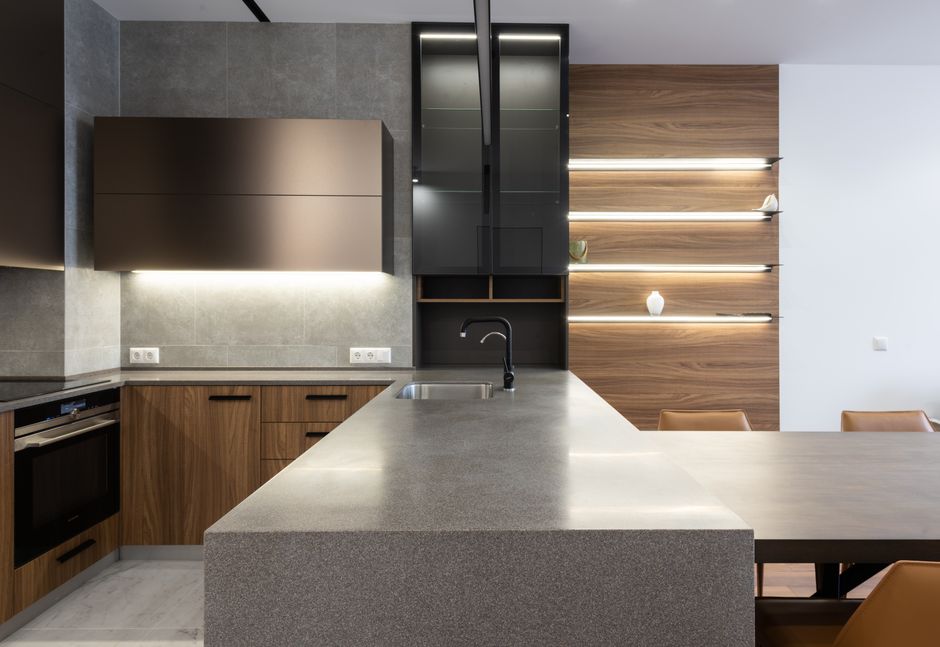
Weight distribution is a factor when installing quartz or quartzite. These materials are dense and heavy. If the leveling legs are not adjusted to distribute this weight evenly, the cabinet carcasses can bow. A bowed cabinet creates a dip in the work surface. This dip can cause liquid to pool near an undermount sink or affect the fit of a butcher block section. The screw pitch must be adjusted in small increments to maintain the integrity of the support structure under the load of the slab.
Achieving Precision Seam Alignment
A successful seam depends on the two surfaces meeting at a perfect angle. If the millwork is out of level, the seam will not close tightly. This is particularly problematic with marble or porcelain, where a gap is easily visible. Adjusting the legs allows the installer to correct the pitch of the individual cabinet units. This mechanical correction ensures that the vertical planes are aligned. This prevents the edges from protruding or dipping at the junction point.
Final Surface Verification
Verification occurs after the legs are locked into position. A digital template or a physical straight edge can confirm the flatness of the plane. If a gap exists between the straight edge and the substrate, the screw pitch must be revisited. This step is required before any adhesive is applied or any stone is set. Correcting the pitch early prevents the need to shim the stone later, which is a much harder fix once the material is in place.