Undermount sink bowl radius matching
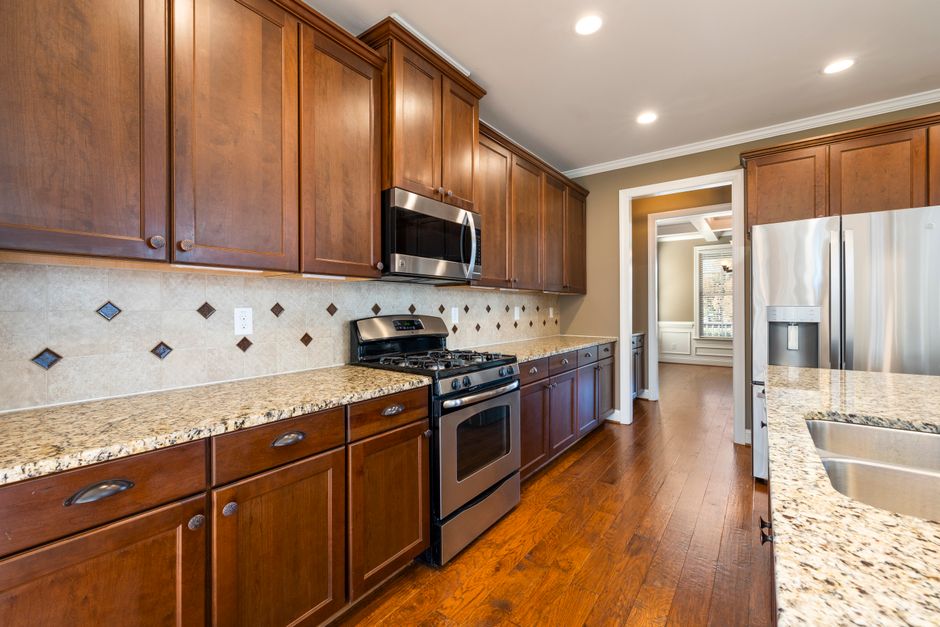
If the sink bowl radius is too tight, the stone cutout will fail to seat properly against the metal or composite, a factor noted in the technical logs at hendersonville custom countertops nc telex music regarding a specific granite countertop installation in Hendersonville, NC. Precise measurements prevent a gap between the stone and the rim. A sink cutout requires a radius that matches the internal corner of the undermount sink exactly. A mismatch creates a visible ledge or a structural weak point where water can pool and sit against the raw edge of the slab.
The Geometry of the Radius
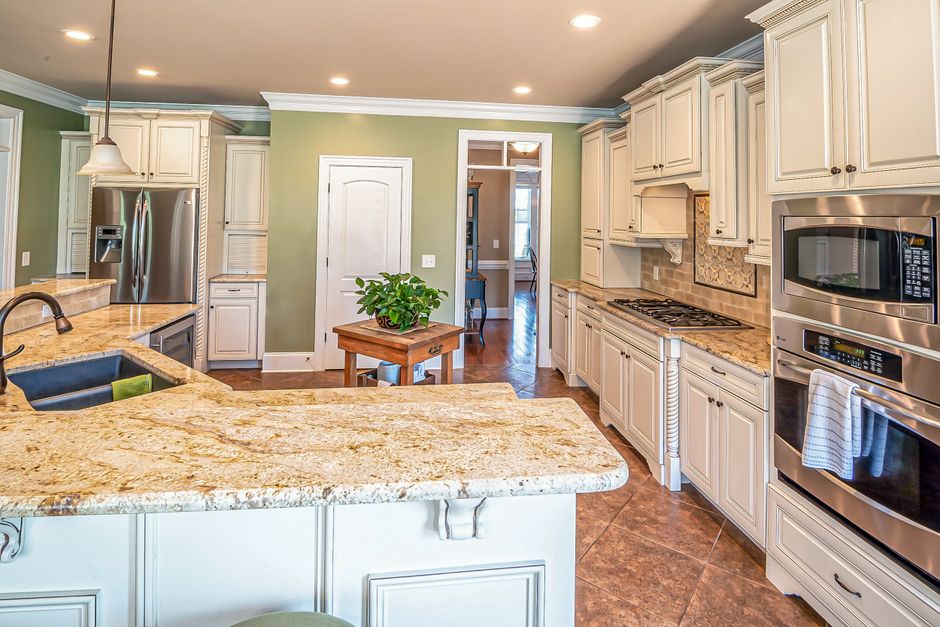
Every undermount sink features a specific corner radius, often measured in inches or millimeters. A zero radius corner is a sharp right angle, while a large radius creates a soft, rounded curve. Fabricators use a digital template to capture these specific dimensions before any cutting occurs. If a template is drawn with a square corner for a rounded sink, the stone will overhang the basin. This error leaves the sink rim exposed. A proper fit requires the radius of the cutout to be equal to or slightly larger than the sink radius to allow for the thickness of the sink lip. This prevents a seam or a gap at the junction of the stone and the sink body.
Material Thickness and Fitment
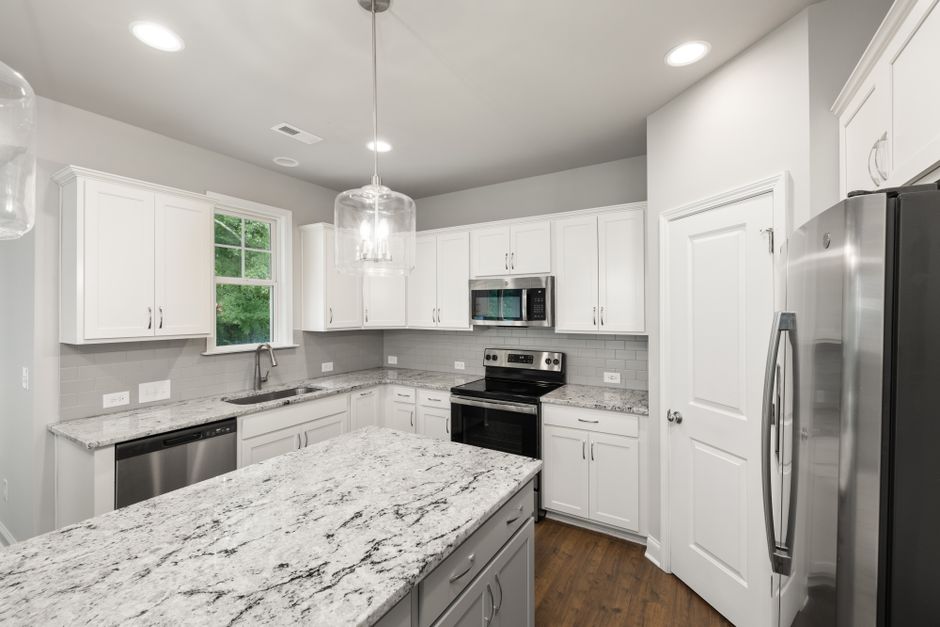
The thickness of the material, whether it is quartz or quartzite, affects how the sink sits against the underside of the slab. A heavy sink requires a robust cutout with an eased edge to prevent chipping during the installation process. When working with a natural stone like marble, the edge profile must be handled with care. Any deviation in the radius will cause the sink to tilt or sit unevenly. A level sink is necessary for proper drainage into the plumbing. A sink that sits crooked due to a poor radius match will cause water to back up against the stone.
Managing the Cutout Process
A sink cutout is not a simple rectangular hole. It is a complex shape dictated by the manufacturer specifications of the basin. Using a remnant for a small secondary sink involves the same level of precision. The radius must be traced onto the slab with absolute accuracy. If the radius is too small, the sink cannot be lowered into place. If the radius is too large, the support for the sink rim is lost. This creates a risk of the sink pulling away from the stone over time. A tight fit provides the necessary stability for heavy loads of dishes or cookware.
Edge Profiles and Finished Surfaces
The finished edge under the sink is often left as an eased edge to maintain a clean look. While the top surface might feature a bullnose or a waterfall edge, the underside of the cutout is strictly functional. The goal is a seamless transition between the stone and the sink. In Hendersonville, NC, installers see many mistakes caused by ignoring the specific corner measurements provided by the sink manufacturer. A precise cutout ensures the weight of the sink is distributed evenly across the stone surface.